Scientific Name: Chrysanthemum morifolium (commonly referred to as “Mums” or “Chrysanthemums”)
Description:
The chrysanthemum is a flowering plant species belonging to the Asteraceae family. Native to Asia and northeastern Europe, it is widely cultivated for its vibrant and diverse blossoms. Chrysanthemums are known for their large, colorful flowers that come in a variety of hues, including yellow, white, pink, red, and purple. The plant has a long history of cultivation, with ancient origins in China, where it is considered one of the “Four Gentlemen” in traditional Chinese art and culture.
Chrysanthemums are typically grown as ornamental plants, often found in gardens and as potted houseplants, especially during the fall when their flowers bloom profusely. The flowers are typically daisy-like in appearance, with numerous petals radiating from a central disk, although the shapes and sizes can vary greatly depending on the variety.
Beyond ornamental use, chrysanthemums have been valued for centuries for their medicinal properties, particularly in traditional Chinese medicine (TCM), where they are used for their cooling and calming effects.
Characteristics:
- Height: Chrysanthemum plants can grow between 18 to 36 inches (45–90 cm), depending on the variety.
- Leaves: The leaves are typically green, lobed, and serrated, with a slightly fuzzy texture.
- Flowers: The blossoms are large, brightly colored, and come in different forms, such as pompons, daisy-like shapes, or spider-like petals.
- Flower Colors: Chrysanthemums come in a wide range of colors, including yellow, white, pink, red, purple, and orange.
- Scent: Chrysanthemum flowers have a mild, slightly sweet fragrance, with some varieties offering a more pungent aroma.
Common Uses:
- Culinary Uses:
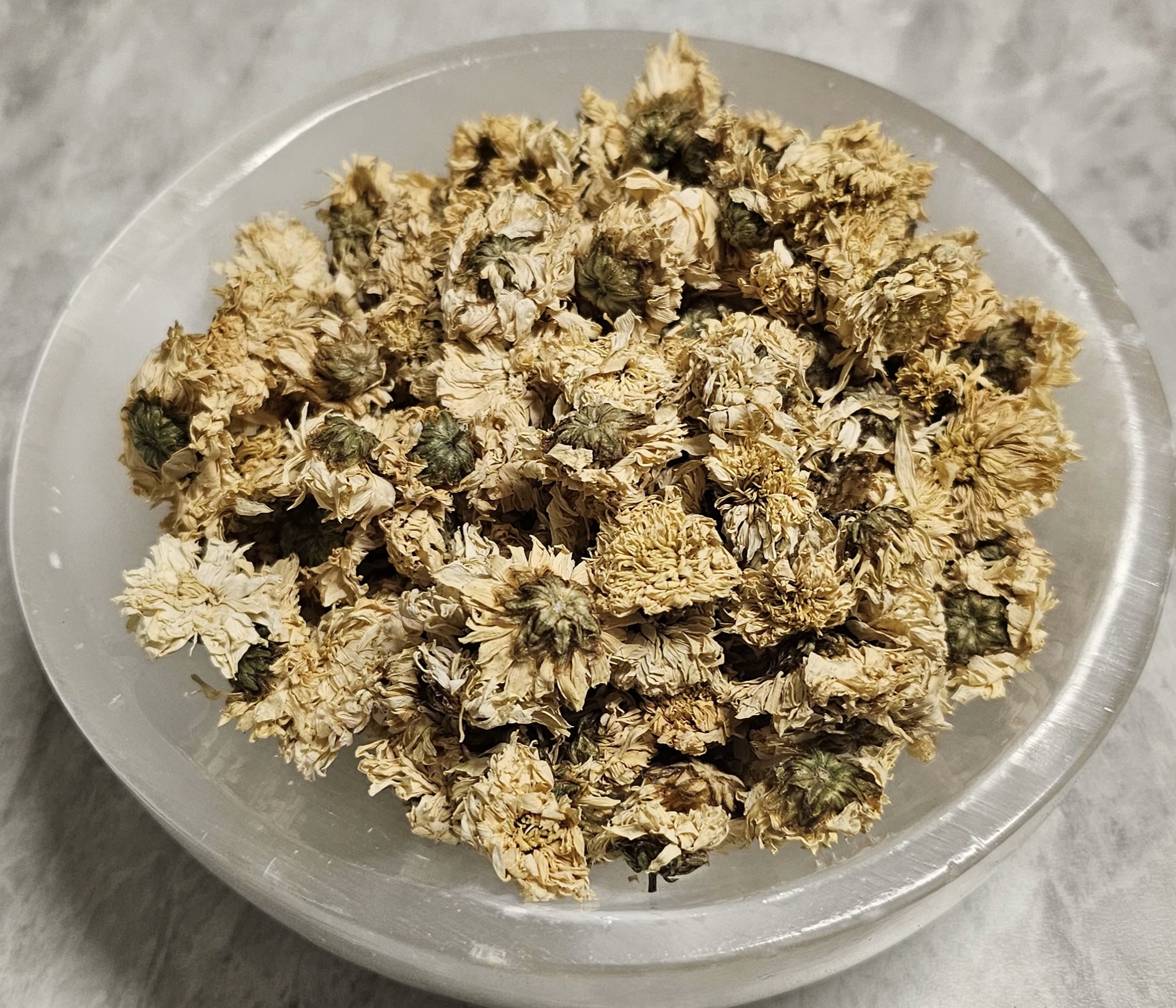
- Chrysanthemum Tea: Chrysanthemum flowers, especially the variety Chrysanthemum morifolium, are commonly used to make herbal tea in East Asia. The flowers are dried and steeped in hot water to create a refreshing, lightly floral drink. Chrysanthemum tea is believed to have a soothing effect and is often consumed for its cooling properties.
- Edible Flowers: In some Asian cuisines, particularly in Chinese and Japanese dishes, chrysanthemum petals are used as a garnish or to flavor salads, soups, and hot pot dishes. The petals have a mild, slightly bitter taste and add a decorative touch to food.
- Infused Oils: Chrysanthemum flowers are sometimes infused in oils, used for flavoring dressings, sauces, or as a culinary ingredient for its unique aroma.
- Medicinal Uses: Chrysanthemums have a long history of use in traditional medicine, particularly in Chinese medicine and herbal practices. Some common medicinal applications include:
- Cooling and Calming: Chrysanthemum tea is known for its cooling properties and is often used to reduce internal heat, relieve fevers, and soothe irritations. It is considered a good remedy for heat-induced conditions like headaches, sore throats, and eye strain.
- Eye Health: In Traditional Chinese Medicine (TCM), chrysanthemum is believed to help improve vision, especially for individuals experiencing eye discomfort due to prolonged screen time or environmental stressors. It is often used in combination with other herbs to relieve eye strain, redness, and dryness.
- Antioxidant and Anti-Inflammatory: Chrysanthemum flowers contain a variety of compounds with antioxidant and anti-inflammatory properties, such as flavonoids, polyphenols, and essential oils. These compounds may help protect against oxidative damage, support overall wellness, and reduce inflammation in the body.
- Stress Relief: Chrysanthemum tea is also known for its relaxing effects. It is often consumed to calm the mind, relieve stress, and reduce anxiety, making it a popular choice before bed.
- Headache Relief: Chrysanthemum tea is sometimes used as a remedy for tension headaches or migraines, especially those caused by heat or stress. It is thought to promote relaxation and alleviate discomfort.
- Skincare:
- Chrysanthemum extract is sometimes used in skincare products for its soothing, anti-inflammatory, and antioxidant properties. It is believed to help reduce redness, calm irritated skin, and protect against premature aging due to its high content of flavonoids and antioxidants.
- Some skincare formulations use chrysanthemum extract for its potential to promote clearer skin by reducing inflammation, which may help with conditions like acne or eczema.
- Aromatic and Decorative Uses:
- Chrysanthemums are widely used as ornamental plants due to their striking and colorful flowers. They are commonly grown in gardens, displayed in floral arrangements, or used as potted plants.
- Chrysanthemums are particularly popular during Autumn festivals like the Chrysanthemum Festival in Japan and the Double Ninth Festival in China, where the flowers are celebrated for their beauty and symbolic meaning of longevity.
- The flowers are often used in dried arrangements or potpourri for their mild fragrance and vibrant colors.
- Traditional Celebrations and Symbolism:
- In addition to their ornamental value, chrysanthemums hold significant cultural symbolism. In China, they are associated with longevity, vitality, and nobility. The Chrysanthemum Festival celebrates these meanings, often held in the fall.
- In Japan, chrysanthemums are considered the symbol of the Imperial Family and are celebrated in the annual Chrysanthemum Day (Kiku no Sekku). They represent longevity and happiness and are often featured in traditional Japanese art and culture.
Conclusion:
The chrysanthemum (Chrysanthemum morifolium) is a versatile and cherished plant with a wide range of uses, from culinary and medicinal to ornamental and decorative. Known for its vibrant and diverse flowers, it has held cultural significance in East Asia for centuries, symbolizing longevity, vitality, and beauty. Whether enjoyed as a fragrant tea, used to soothe and cool the body, or appreciated as an ornamental bloom, chrysanthemums continue to be valued for both their aesthetic and therapeutic qualities.








Reviews
There are no reviews yet