Cramp Bark
Scientific Name: Viburnum opulus
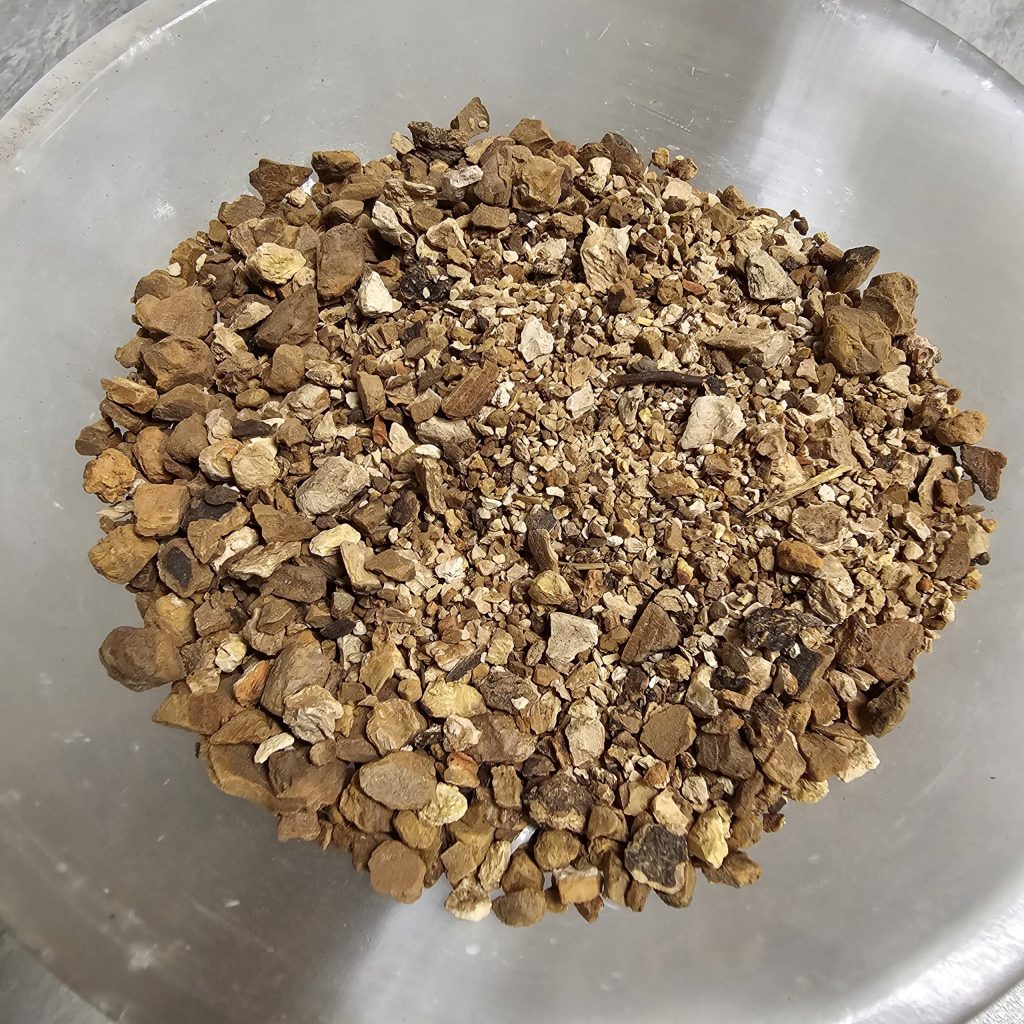
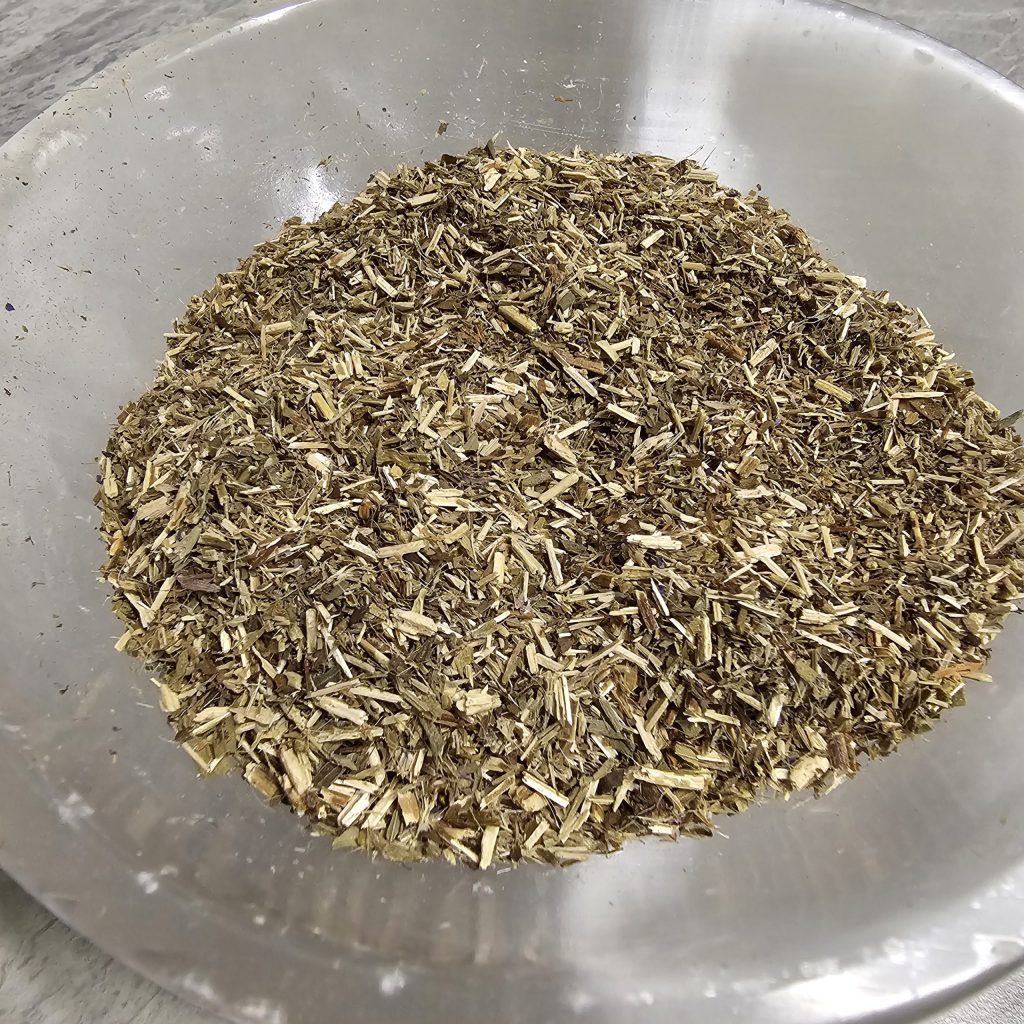
Soothing, grounding, and traditionally muscle-calming, cramp bark is a well-known European and North American herbal remedy. Harvested from the bark of Viburnum opulus, this shrub has long been used in folk herbalism for its role in supporting muscular relaxation and internal comfort.
Plant Description:
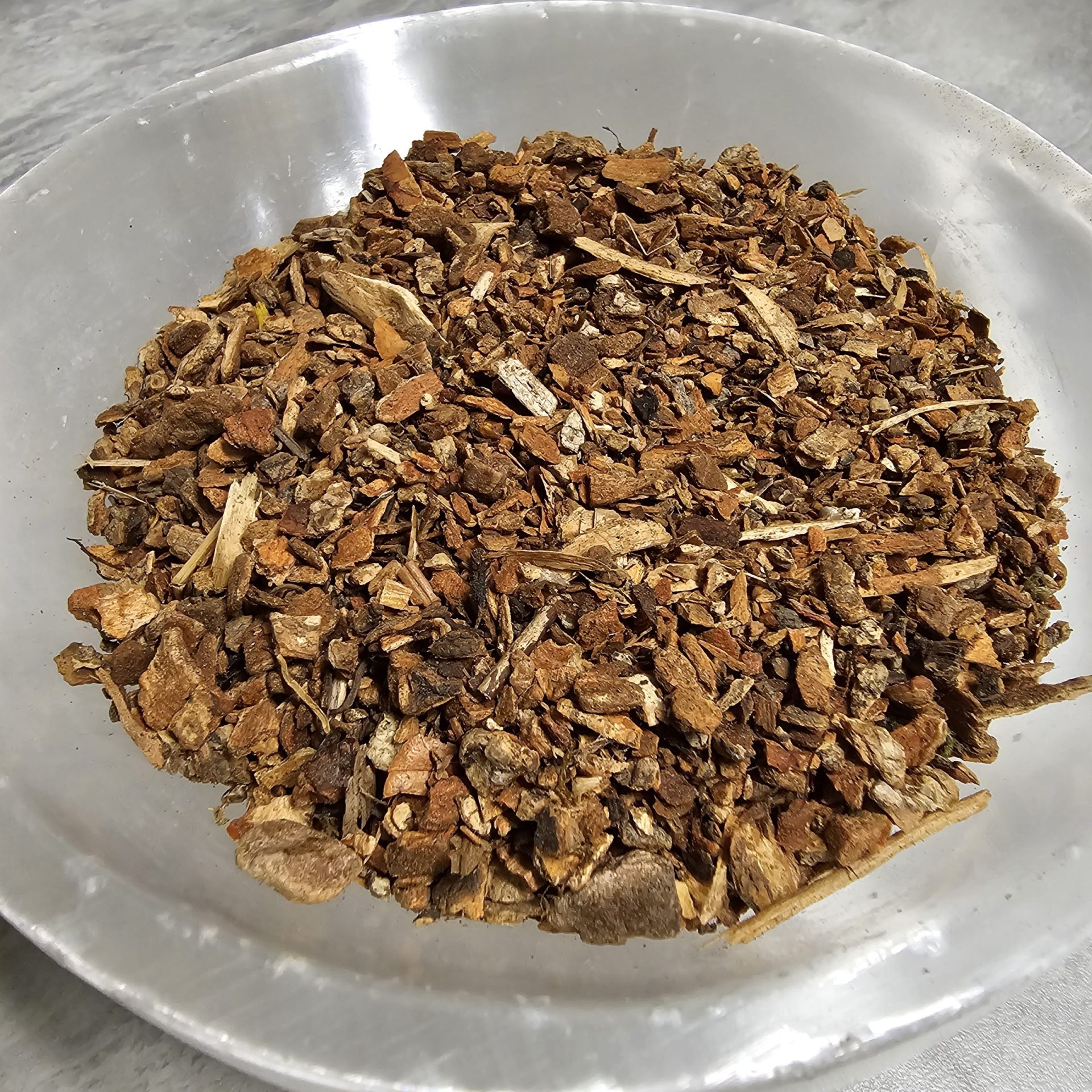
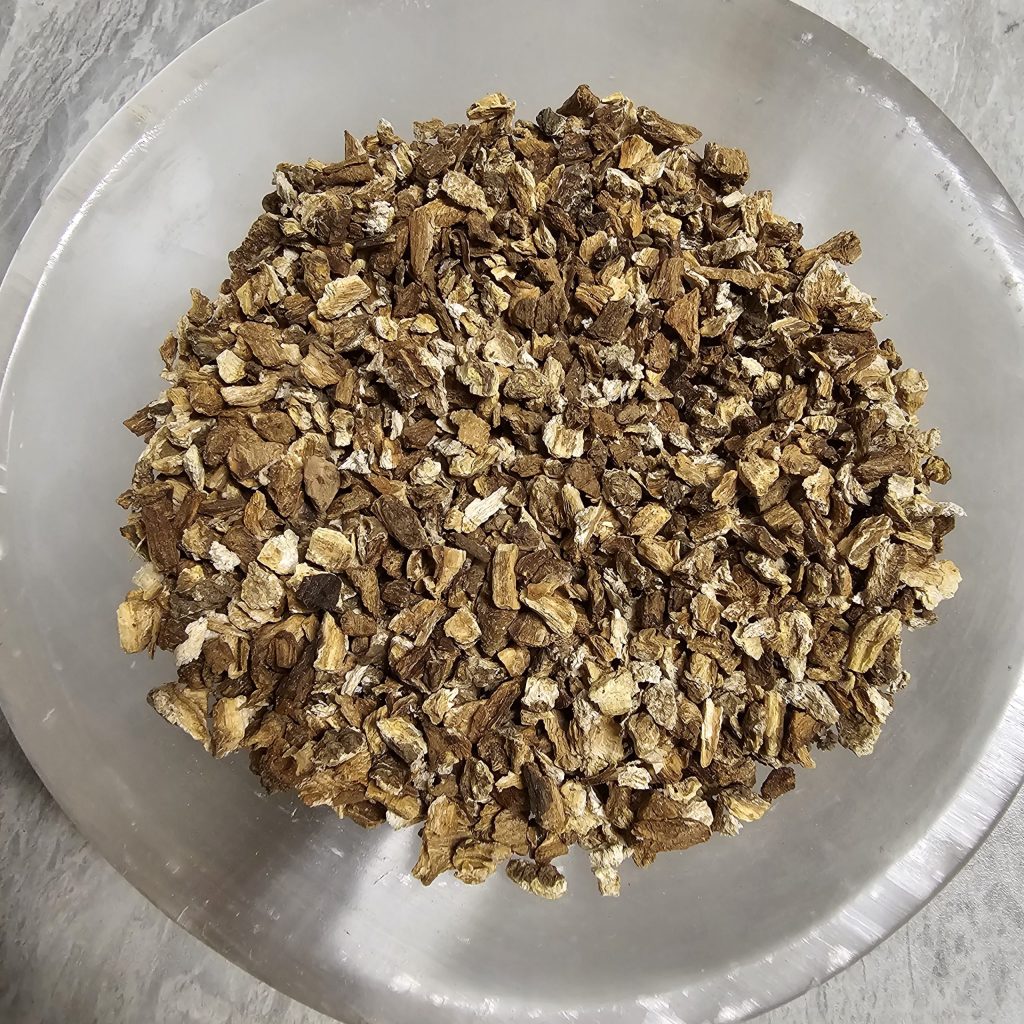
Cramp bark is a deciduous shrub in the Adoxaceae family, native to Europe, North Africa, and parts of Asia, and naturalized in North America. It produces clusters of white flowers and bright red berries (the berries are not typically used medicinally in traditional practice). The inner bark is the primary part used in herbal preparations.
Traditional Uses:
Cramp bark has been used for centuries in European and Indigenous North American herbal traditions. It has traditionally been prepared as a tea or tincture and used in formulas intended to support menstrual comfort and muscular relaxation. It is often included in blends for cramping and tension.
Benefits:
- Traditionally supports muscular relaxation
- Commonly used in menstrual comfort herbal formulas
- May support smooth muscle ease in folk herbal use
- Supports nervous system calming in traditional systems
- Used in postpartum and uterine toning traditions
- Often combined with valerian or black haw in herbal blends
- Gentle nervine and antispasmodic-like herb in folk use
Preparation Suggestions:
Cramp bark is commonly prepared as a decoction or tincture. Simmer 1–2 teaspoons of dried bark in water for 15–30 minutes for tea. It is often combined with herbs like ginger, raspberry leaf, or chamomile in traditional formulas for menstrual or muscular support.
Cautions:
Avoid during pregnancy unless supervised by a qualified practitioner. May interact with blood pressure medications in some cases. Use in moderation and consult a healthcare provider if you have underlying conditions.
Disclaimer:
This product is not intended to diagnose, treat, cure, or prevent any disease. Information provided is for educational purposes only and is not a substitute for professional medical advice. Always consult a qualified healthcare provider before beginning any herbal regimen.






Reviews
There are no reviews yet