Wild Roots Shopping Event
Hurry and get discounts up to 20% Read more
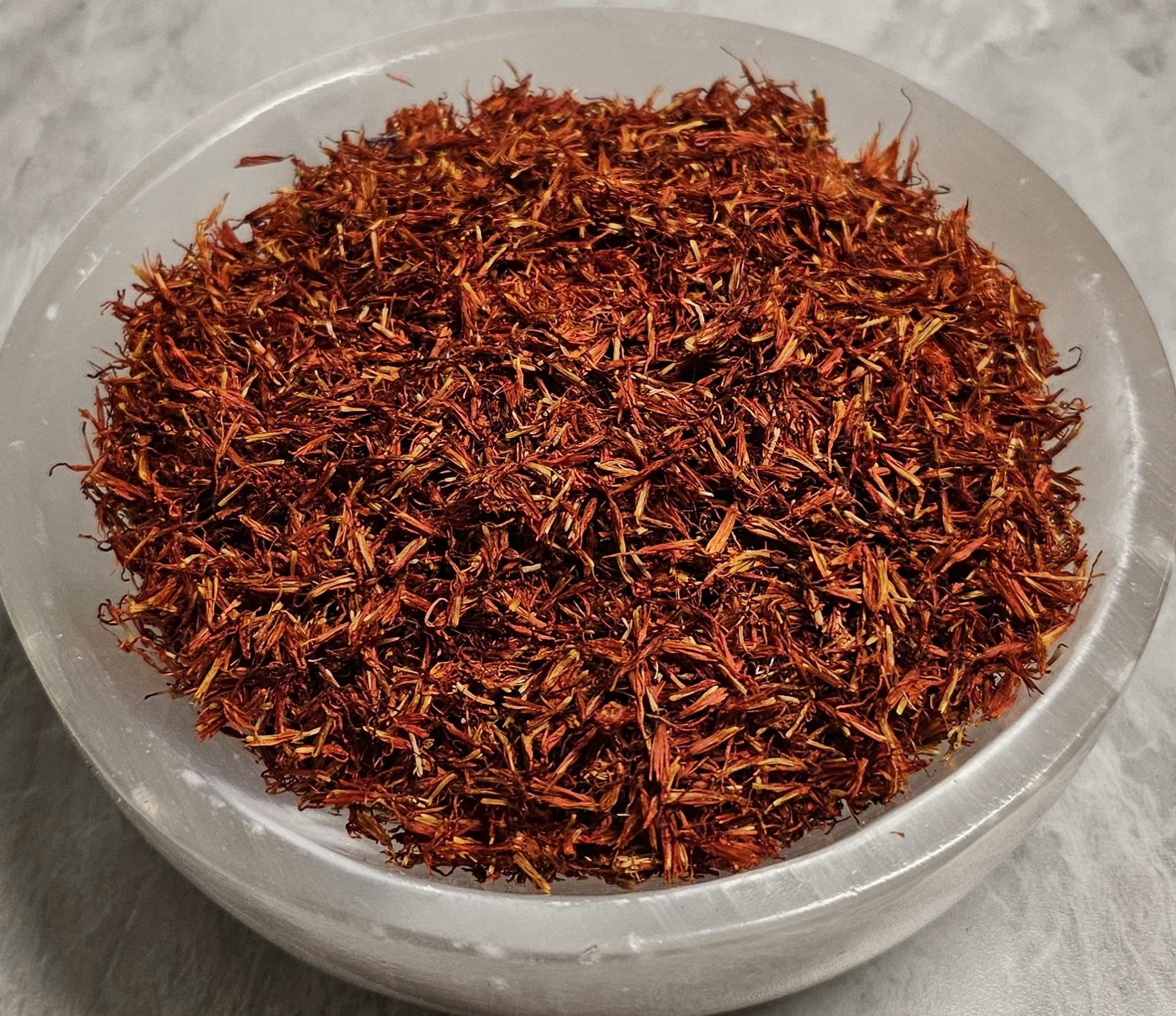
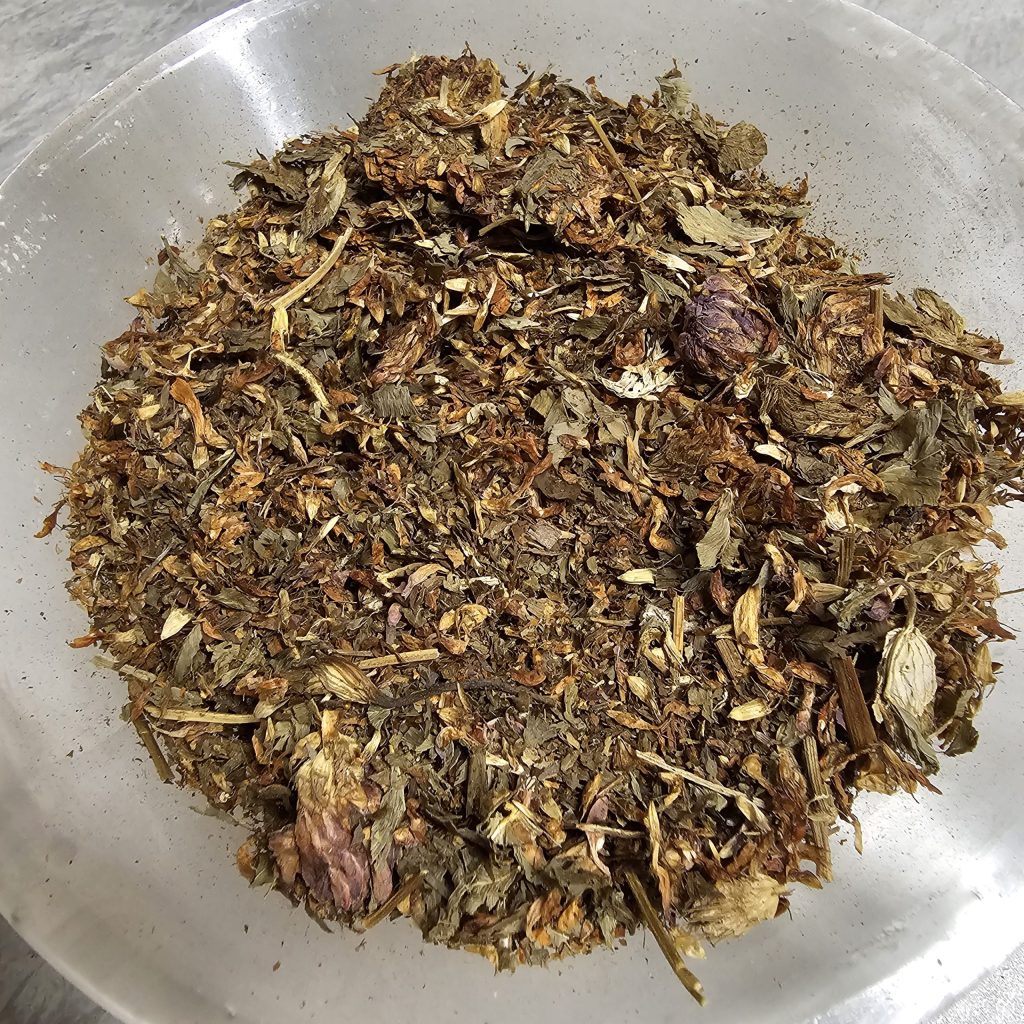
Safflower Herb
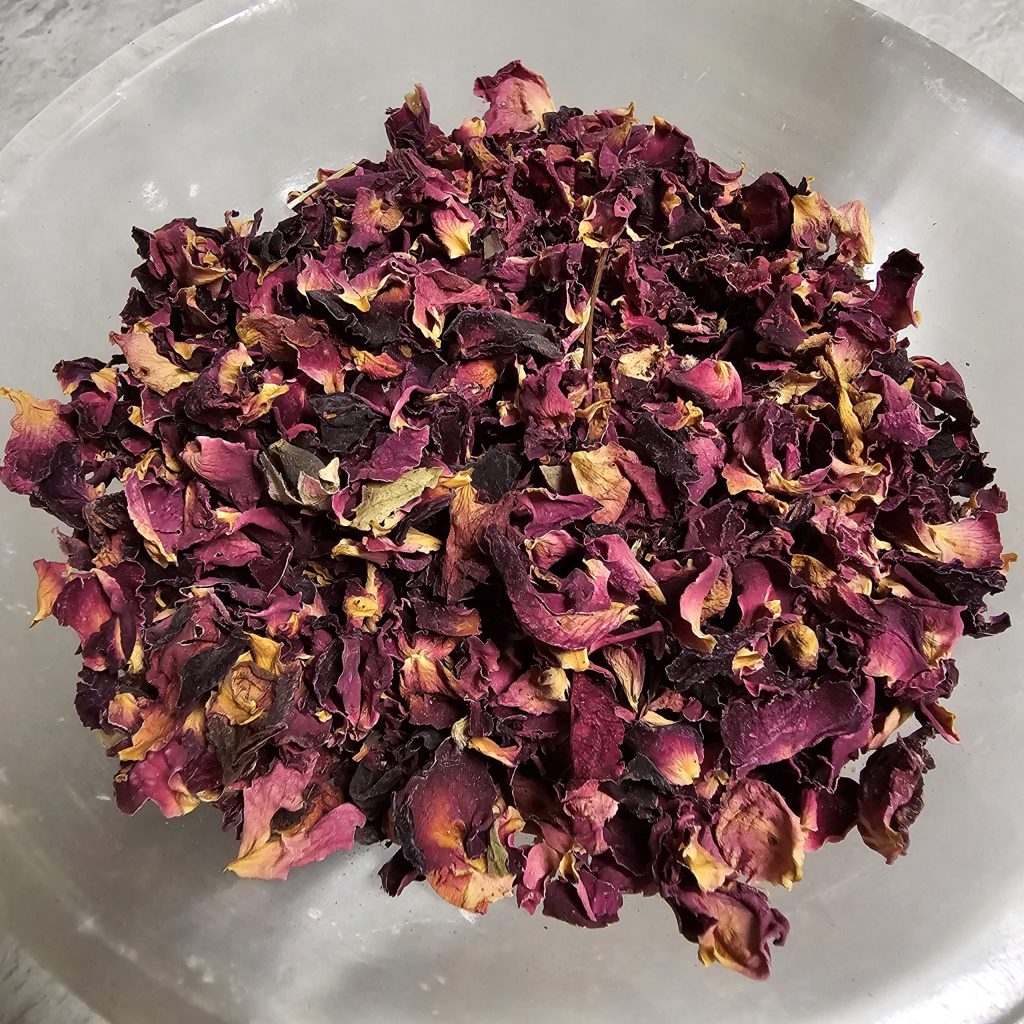
Ingredients: 4Â Grams of Safflower. (Also available in 10g or 20g bags)
Safflower is a thistle-like annual plant with bright yellow, orange, or red flowers. Originally native to regions such as the Middle East, India, and parts of Africa, safflower is one of humanity’s oldest cultivated crops, traditionally grown for its oil and for dyeing purposes. Safflower has spiky leaves and stems, and its flowers are harvested for culinary, cosmetic, and medicinal uses.
$2.00 – $9.00Price range: $2.00 through $9.00
Any statements made within this website have not been evaluated by the Food and Drug Administration. No products produced, manufactured, marketed, or distributed are intended to diagnose, treat, cure or prevent any disease. Consult your physician before beginning any supplements or botanical extracts. If pregnant or breast feeding, consult with your physician before use. For use by adults 21+. Keep out of reach of children.
Description
Safflower
Scientific Name: Carthamus tinctorius
Bright, vibrant, and traditionally valued for both culinary and wellness uses, safflower is a thistle-like flowering plant known for its vivid orange-red petals and oil-rich seeds. Harvested from Carthamus tinctorius, safflower has been used for centuries in traditional dyeing, cooking, and herbal practices, particularly in Asian, Middle Eastern, and Mediterranean cultures.
Plant Description:
Safflower is an annual herb in the Asteraceae family, resembling a small thistle. It produces spiny stems and glossy green leaves, topped with bright yellow to deep orange-red flowers. The petals are typically harvested and dried for herbal use, while the seeds are pressed to produce safflower oil.
Traditional Uses:
Safflower has been used in Traditional Chinese Medicine, Ayurveda, and Middle Eastern herbal traditions. The dried flowers have been used in teas and tonics to support circulation and overall vitality. It has also been widely used as a natural dye and culinary oil source. In traditional systems, safflower was often included in formulas aimed at promoting flow and balance within the body.
Benefits:
- Traditionally used to support healthy circulation
- May support menstrual comfort and balance in traditional use
- Rich in plant pigments and antioxidants
- Supports cardiovascular wellness in traditional systems
- Used historically as a natural dye and culinary ingredient
- Mildly warming and uplifting in herbal preparations
- Supports general vitality and energetic flow
Preparation Suggestions:
Safflower petals are commonly used as a tea or infusion. Steep 1–2 teaspoons of dried petals in hot water for 10–15 minutes. It can also be blended with other herbs such as hibiscus, rose, or chrysanthemum for color and flavor. Safflower oil from the seeds is used in culinary applications and dressings.
Cautions:
May not be suitable for individuals with bleeding disorders or those taking blood-thinning medications due to its traditional use in circulation-supporting formulas. Not recommended during pregnancy unless guided by a qualified practitioner.
Disclaimer:
This product is not intended to diagnose, treat, cure, or prevent any disease. Information provided is for educational purposes only and is not a substitute for professi
Product Details
| Grams | 10 Grams, 20 Grams, Sample 6 Grams |
|---|
Customer Reviews
Only logged in customers who have purchased this product may leave a review.

Reviews
There are no reviews yet